

































Short answer: bird's nest is a long-treasured tonic in Chinese and Southeast Asian tradition, valued for skin, recovery and general nourishment. Modern research is still early but has identified compounds (like sialic acid and glycoproteins) of interest. Enjoy it as a nourishing, cultural wellness ritual — with realistic, not miracle, expectations.
What is bird's nest?
Bird's nest is made from the hardened saliva of swiftlets, traditionally double-boiled into a delicate soup. Across the region it's given to new mothers, the recovering and the elderly as a prized nourishing tonic, and offered as a thoughtful gift.
What tradition values it for
Traditionally it's associated with skin radiance, lung and respiratory nourishment, and supporting recovery and overall vitality. These are long-held cultural uses passed down over generations rather than clinical claims.
What the science says so far
Laboratory and early studies have looked at bird's nest compounds such as sialic acid and glycoproteins for potential roles in cell and immune function, with some interest in skin. The honest picture: promising compounds and a rich tradition, but human evidence is still limited — so it's best framed as a nourishing food, not a proven treatment.
Choosing and enjoying it
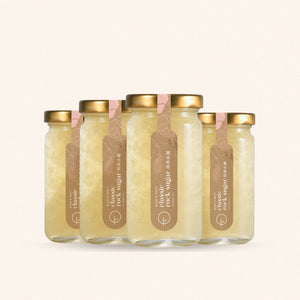
Quality and sourcing vary widely, so transparency matters. Our Bird's Nest with Classic Rock Sugar is ready-to-enjoy with clear sourcing. Treat it as a regular, comforting ritual rather than a quick fix.
FAQ
What is bird's nest good for? It's traditionally valued for skin, recovery and nourishment; modern evidence is still early.
Can pregnant women take it? It's a traditional postpartum tonic, but check with your doctor during pregnancy to be safe.
How often should I take it? Traditionally it's enjoyed regularly in small servings; consistency is part of the ritual.
General education only, not medical advice. Bird's nest is a nourishing food, not a treatment for any condition.