




























Short answer: joints respond to how you load and fuel them. Strength training, gradual progression, enough protein and good recovery protect your knees and hips far more than avoiding exercise. Collagen has some early evidence for supporting joint comfort alongside training.
Why joints matter even in your 20s and 30s
Cartilage and connective tissue adapt to load — but only if you build up sensibly. Sudden jumps in running mileage or high-impact classes without strength work are a common cause of knee niggles in active women. Muscle around a joint acts as a shock absorber, which is why strength training protects rather than harms joints.
Habits that protect your joints
Progress training gradually, include resistance work for the muscles around your knees and hips, warm up properly, and respect recovery. Enough protein supports the connective tissue and muscle that stabilise joints. Persistent joint pain, swelling or locking should be checked by a professional rather than pushed through.
Where collagen and targeted support fit
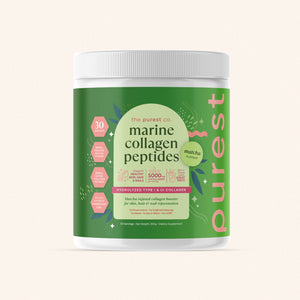
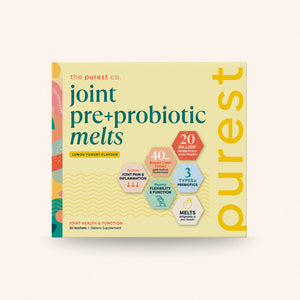
Cartilage and tendons are collagen-rich, and some studies suggest collagen peptides may support joint comfort when combined with training. Our Marine Collagen Peptides supply collagen peptides, and our Joint Pre+Probiotic Melts are formulated with gut and joint support in mind. These complement — not replace — strength training and sensible loading.
FAQ
Does running ruin your knees? For healthy joints, sensible running doesn't — sudden overload and weak supporting muscles are the bigger risks.
Does collagen help joints? Early research is encouraging for joint comfort alongside training, but it's supportive, not a cure.
When should I see a doctor? Persistent pain, swelling, or a joint that locks or gives way warrants assessment.
General education only, not medical advice. Persistent joint pain should be assessed by a healthcare professional.