


























Short answer: antibiotics are important and sometimes essential — but they don't only kill harmful bacteria; they also knock back your beneficial gut bacteria. After a course, your microbiome usually recovers over weeks to months, and you can support that recovery with fibre, fermented foods and (for many people) probiotics.
Why antibiotics disrupt the gut
Antibiotics can't fully distinguish good bacteria from bad, so a course reduces overall diversity in your gut. This is why some people get digestive upset or loose stools during or after treatment. Diversity typically rebounds, but it can take time, and repeated courses have a bigger impact.
How to support recovery
Feed your good bacteria with a variety of fibre-rich plants and fermented foods, stay hydrated, and prioritise sleep. Always finish antibiotics exactly as prescribed — supporting your gut is about after care, not skipping doses. If you had significant digestive issues, give your gut consistent, gentle support over the following weeks.
Where probiotics fit
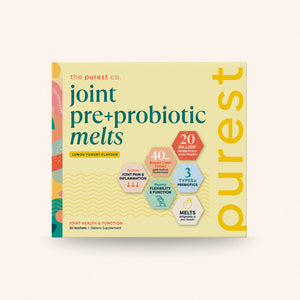
Pre- and probiotics can be a helpful part of post-antibiotic recovery for many people. Our Daily Pre+Probiotic Melts combine prebiotics (food for good bacteria) and probiotics to support rebuilding gut balance. They support general gut health — they don't replace medical advice, and if you're on antibiotics, ask your doctor or pharmacist about timing.
FAQ
Should I take probiotics with antibiotics? Many people do, often spaced a few hours apart — check timing with your pharmacist.
How long does the gut take to recover? Often weeks to a few months; diversity usually rebounds with good diet and habits.
Can I skip antibiotics to protect my gut? No — always complete prescribed antibiotics; support your gut afterwards instead.
General education only, not medical advice. Always take antibiotics as prescribed and consult your doctor or pharmacist.