





























Short answer: heat and humidity make your body work harder to stay cool, you lose fluids and electrolytes through sweat, and poor sleep on hot nights adds up — all of which leave you tired and foggy. The fixes are mostly about hydration, sleep, blood-sugar stability, and not running on caffeine alone.
Why does hot, humid weather make me so tired?
When it's hot, your body diverts energy to cooling itself — widening blood vessels and sweating. High humidity makes sweat evaporate less efficiently, so you overheat more easily and tire faster. You also lose water and electrolytes through sweat, and even mild dehydration is a well-known cause of fatigue, headaches and poor concentration. Warm, sticky nights fragment sleep, compounding the drain.
What actually helps your energy
Hydrate consistently through the day rather than gulping all at once, and don't rely on sweet iced drinks that spike then crash your blood sugar. Keep meals balanced with protein and fibre for steadier energy. Protect sleep with a cooler, darker room. And be honest about caffeine — a second or third afternoon kopi often masks fatigue while disrupting the night's sleep that would actually fix it.
Where supplements may help
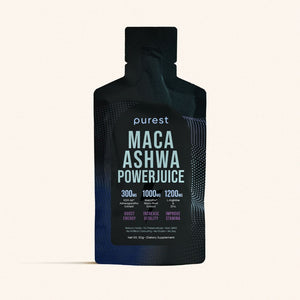
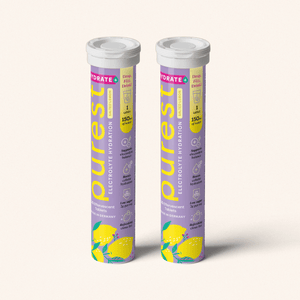
When you're sweating a lot, replacing electrolytes — not just water — helps you rehydrate efficiently; our Hydrate+ Electrolyte Hydration Tablets top up sodium, potassium and magnesium without the sugar load of typical sports drinks. For everyday vitality, traditional botanicals are popular — our Ashwa Lychee Drink features ashwagandha, studied for stress resilience. These support general vitality — they're not a treatment for medical fatigue, which is worth checking if tiredness is persistent.
FAQ
Can dehydration really make me tired? Yes — even mild dehydration is linked to fatigue, headaches and reduced concentration.
Do I need electrolytes or just water? If you're sweating heavily, electrolytes help you absorb and retain fluid better than plain water alone.
When should I see a doctor about fatigue? If tiredness is persistent or severe, get checked for causes like iron deficiency, thyroid issues or poor sleep quality.
General education only, not medical advice. People with kidney, heart or blood-pressure conditions should consult a doctor before increasing electrolyte intake.