

























Short answer: UV and urban pollution generate free radicals that damage collagen and accelerate skin ageing. Antioxidants help neutralise some of that damage — they're a useful support, but they work best layered on top of the real essentials: daily sun protection and not smoking.
What free radicals do to skin
Free radicals are unstable molecules produced by sun exposure, pollution, smoking and normal metabolism. In excess they cause "oxidative stress," which breaks down collagen and elastin and contributes to fine lines, dullness and uneven tone. City living and strong equatorial sun both raise your exposure.
Where antioxidants help (and where they don't)
Antioxidants — vitamins C and E, polyphenols and others — help mop up free radicals, supporting skin's defences from inside and out. But they don't block UV like sunscreen does, and they can't undo existing deep damage. Think of them as a complement to, never a replacement for, SPF.
How to get them
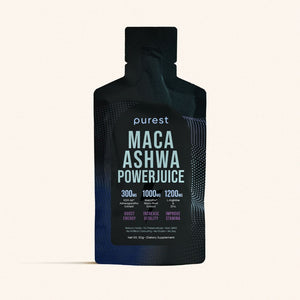
Eat a colourful range of fruit and vegetables daily — that's the strongest foundation. To top up on busy days, our Supergreens Antioxidant Juice delivers plant antioxidants in one drink, and our Snow Tomato Glowjuice focuses on tone-supporting antioxidants. These support skin alongside sun protection and a balanced diet.
FAQ
Can antioxidants replace sunscreen? No — they complement SPF but don't block UV; sunscreen remains essential.
Are food or supplement antioxidants better? Whole foods first; supplements help fill gaps on busy days.
Do antioxidants reverse wrinkles? They support defence against new damage; they don't undo established deep lines.
General education only, not medical advice. Individual results vary; pair any routine with daily sun protection.