


























Short answer: in a sunny, year-round climate, UV constantly re-triggers melanin, so dark spots (from acne, sun or hormones) fade slowly and keep coming back. The single biggest lever is daily, reapplied sun protection — brightening actives and antioxidants work much better alongside it.
Why pigmentation lingers here
Hyperpigmentation forms when melanin is overproduced — after a spot heals (post-inflammatory), from sun exposure, or hormonally (melasma). Our intense equatorial UV keeps stimulating melanin daily, which is why spots that might fade in a milder climate stubbornly persist. Heat itself can also worsen melasma.
What genuinely helps
Sun protection first — broad-spectrum SPF, reapplied, plus hats and shade. Then evidence-based brightening actives and antioxidants to slow new pigment and support an even tone. Patience matters: pigmentation fades over months, not days, and picking at spots makes post-inflammatory marks worse.
Where supplements fit
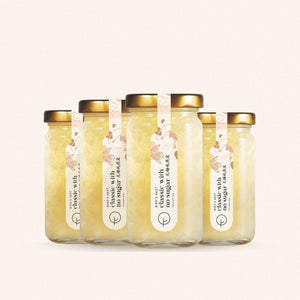
Antioxidant support can complement topical care and SPF. Our Snow Tomato Glowjuice provides antioxidants aimed at tone support, and our SkinBright Thins deliver liposomal glutathione for gradual brightening. Neither replaces sunscreen — they work with it, not instead of it.
FAQ
Why won't my dark spots fade? Ongoing UV exposure keeps re-triggering melanin; without daily SPF, spots persist or return.
How long does it take to fade pigmentation? Typically months of consistent care; deeper or hormonal pigmentation is slower.
Is melasma the same as sun spots? No — melasma is hormonally influenced and more stubborn; a dermatologist can help with a tailored plan.
General education only, not medical advice. Persistent pigmentation or melasma should be assessed by a dermatologist.